Introduction
In today's fast-paced world, injuries can occur in the blink of an eye—whether it's a sprained ankle from an unexpected fall, back pain after a vasectomy, or a sports-related mishap. Understanding how to manage these injuries effectively is crucial to a swift recovery. One of the most commonly employed methods in injury management is cold compression therapy. This article will explore this technique and answer the vital question, “Cold Compression Therapy Explained—What Are Cold Packs Used For?”
Cold packs have been around for ages, but their application in treating various conditions has been subject to extensive research and development. With advancements in materials and technology, ice packs for injuries are more effective than ever before. In this comprehensive guide, we will cover everything from how to use ice packs to their benefits, types, and even some DIY solutions.
Cold Compression Therapy Explained—What Are Cold Packs Used For?
Cold compression therapy is a method that harnesses the power of cold temperatures combined with pressure to alleviate pain and reduce inflammation. It’s particularly beneficial for acute injuries like sprains, strains, and bruises. But what exactly are cold packs used for?
The Science Behind Cold Compression Therapy
When you apply cold to an injury site, it constricts blood vessels (a process known as vasoconstriction), which helps limit swelling and inflammation. Additionally, the cooling effect numbs the area—providing immediate relief from pain. Cold therapy can also slow down nerve impulses in the affected area, which further helps mitigate discomfort.
Benefits of Using Cold Packs for Injuries
Reduces Swelling: By minimizing blood flow to injured tissues. Pain Relief: Numbing effect alleviates pain sensations. Speeds Up Recovery: Less swelling leads to quicker healing. Versatile Application: Can be used on various body parts.Types of Cold Packs Available
- Ice Gel Pack: These are filled with gel that retains coldness longer than ice alone. Reusable Ice Pack for Injuries: Designed for multiple uses; they often come with sleeves or straps for better application. DIY Ice Packs: You can easily make flexible ice packs at home using household items.
How to Use Ice Packs Effectively
Using ice packs may seem straightforward, but there are best practices that enhance their effectiveness.
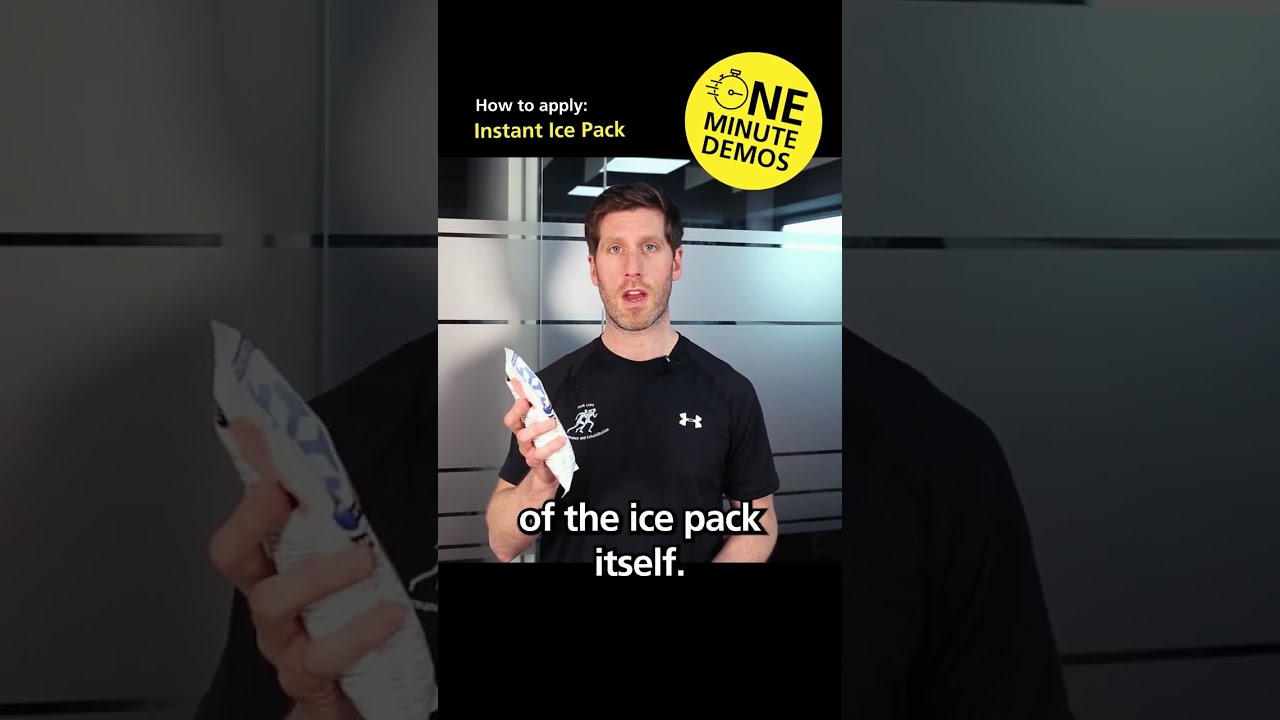
Step-by-Step Guide on How to Use Ice Packs
Choose Your Ice Pack: Select one based on your need—ice gel pack or reusable ice pack for injuries. Prepare the Area: Clean the skin around the injury site. Wrap It Up: Always wrap your ice pack in a cloth or towel; direct contact can cause frostbite. Application Duration: Typically, you should leave an ice pack on for 15-20 minutes every hour during the first 48 hours post-injury. Monitor Your Skin: Check periodically; if your skin becomes too red or feels numb beyond discomfort, remove it immediately.Common Mistakes When Using Ice Packs
- Applying directly without insulation Leaving it on too long Forgetting to take breaks
How Long Does It Take for a Freezer to Get Cold?
This might sound trivial when discussing injury treatment but understanding freezer temperature dynamics is essential if you're preparing your own ice packs at home.
Freezer Temperature Basics
Most freezers should maintain a temperature below 0°F (-18°C). If you’re wondering how long does it take for a freezer to get cold enough after loading it with items:
- A fully loaded freezer can take up to 24 hours. An empty freezer cools faster—usually within 4 hours.
Keep this in mind when preparing your reusable ice pack for injuries!
Where to Buy Ice Packs for Injuries?
Finding quality cold packs doesn't have to be complicated! They are readily available both online and at physical stores.
Top Places to Purchase Ice Packs
Pharmacies: Most local pharmacies carry various brands. Sporting Goods Stores: Great selections specifically designed for athletes. Amazon Flex Store: Online shopping offers convenience and often better prices.How Do You Make an Ice Pack?
Some people prefer making their own ice packs rather than buying them due to cost-effectiveness or specific needs.
Simple DIY Recipes
Classic Water Method: Fill a resealable plastic bag halfway with water and freeze it flat. Saltwater Recipe: Mix two parts water with one part rubbing alcohol in a bag; freeze until slushy.Both methods create flexible ice packs that conform comfortably around injuries!
Does Icing Bruises Help?
Icing bruises is another common practice among those seeking speedy recovery from common leg injuries or other forms of trauma.
The Role of Cold Therapy in Bruise Treatment
Applying an ice pack immediately reduces blood flow into damaged tissue areas following an injury—a key factor in preventing excessive bruising.
Key Points:
- Apply within 48 hours post-injury Use standard icing techniques
FAQ Section
1. What are cold packs used for?
Cold packs are primarily used for reducing swelling and alleviating pain associated with acute injuries such as sprains and bruises.
2. How long do you leave an ice pack on?
It’s recommended to leave an ice pack on for about 15-20 minutes soft gel ice pack every hour during the first two days post-injury.
3. Is it possible to be born without wisdom teeth?
Yes! Some individuals may not develop wisdom teeth due to genetics or evolutional changes over time.
4. What should I do if one leg feels colder than the other after injury?
This could indicate reduced blood flow; consult a medical professional if you experience persistent issues.
5. How do you make flexible ice packs?
Mix water and rubbing alcohol in a resealable bag; freeze until it achieves desired flexibility!
6. Where can I find the best reusable ice pack?
You can check online retailers like Amazon or local pharmacies specializing in sports equipment!
Conclusion
Understanding “Cold Compression Therapy Explained—What Are Cold Packs Used For?” is crucial not just for athletes but anyone prone to minor accidents at home or work. Whether you're dealing with leg injuries from sports activities or managing post-surgical discomfort like back pain after vasectomy procedures, knowing how cold therapy works provides invaluable insight into effective self-care practices.
From choosing between different types of cold packs like gel versus traditional methods, learning how long you should apply them, or even crafting your own DIY solutions—all these elements contribute toward maximizing recovery efforts after an injury occurs!
With proper knowledge at hand regarding what constitutes effective cold treatment along with suitable applications tailored towards individual needs—you're well-equipped not only handle unexpected mishaps but also foster better health overall!